

In the corporate sphere, a common phenomenon persists: choosing established software vendors appears to be low-risk. This mindset is a remnant from an era when stability equaled immobility. In 2026, however, this choice no longer represents protection but rather falling behind. Leaders often make decisions based on past performance, while in daily practice, these software systems no longer facilitate but hinder work.
Many leaders cling to legacy systems because the brand name provides a form of protection. If something stalls, the responsibility points to the global brand. However, market competition is not about accountability but about speed.
The architecture of old systems is rigid. Introducing a single new feature or optimizing a process can take months because every element of the system is interconnected. The promise of legacy systems is "all-in-one" integration, which has now become more of a shackle: the company is forced to wait for the slow update cycle of the entire monolith due to the needs of a single department.
The fundamental problem with legacy systems is that due to their old architecture, new features cannot be organically integrated into the software—they can only be "bolted on" as aftermarket extensions. This means that capabilities accumulated over the years are not integral parts of the system but external layers built upon the old core. This makes the whole system increasingly unstable and harder to maintain.
In contrast, modern, specialized solutions offer a different approach. They don't force the company into the rhythm of a single, slow system but allow different areas to evolve at their own pace. This is supported by measurements from the Cloud Native Computing Foundation (CNCF), which show that modern architectures enable software deployment 40 times faster than traditional systems.
Large legacy systems often arrive with the promise that they "serve every need." In practice, however, these systems are very difficult to adapt to a company's specific processes. Standard functions often don't align precisely with business requirements.
If customization is still desired, it's only possible through custom development. This brings several problems:
Long development time: Custom SAP or Oracle development can take months or even years. Large implementation projects, where the system is adapted to company processes, drag on for years.
Maintenance trap: Custom code (such as "Z-code" in SAP) is difficult to maintain. If the developer who wrote it leaves, it's nearly impossible for the next person to figure out exactly what that code snippet does. This is the "bus factor" problem: if 1-2 key people are lost, the project stalls.
Growing complexity: This is also a problem on the software vendor's side. Legacy system vendors (like SAP) provide User Exits or BAdIs for custom requirements, rather than building custom logic directly into the codebase. But the system's complexity still grows exponentially. The more custom branches there are, the slower the testing, and the more likely a fix will cause unexpected errors elsewhere. This is unsustainable in the long term.
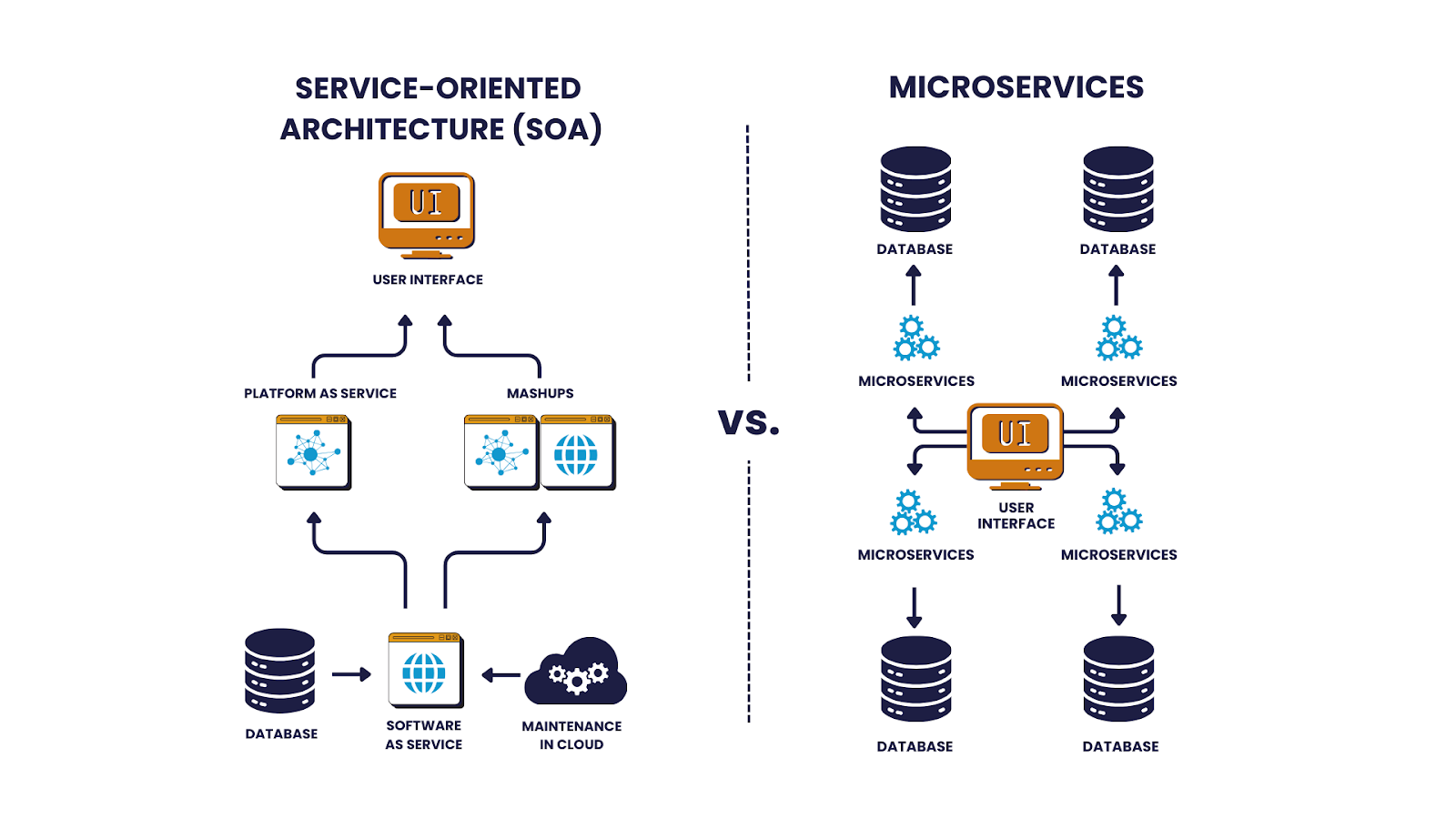
Modern, specialized solutions, in contrast, are configurable rather than requiring coding. They can be easily integrated with other systems through APIs without needing to modify the core code. Of course, this also means the company must connect and manage multiple different systems—but this complexity is now significantly simplified by APIs and integration platforms.
The concept of technical debt (TDR – Technical Debt Ratio) extends beyond IT. This metric actually measures a company's freedom of movement.
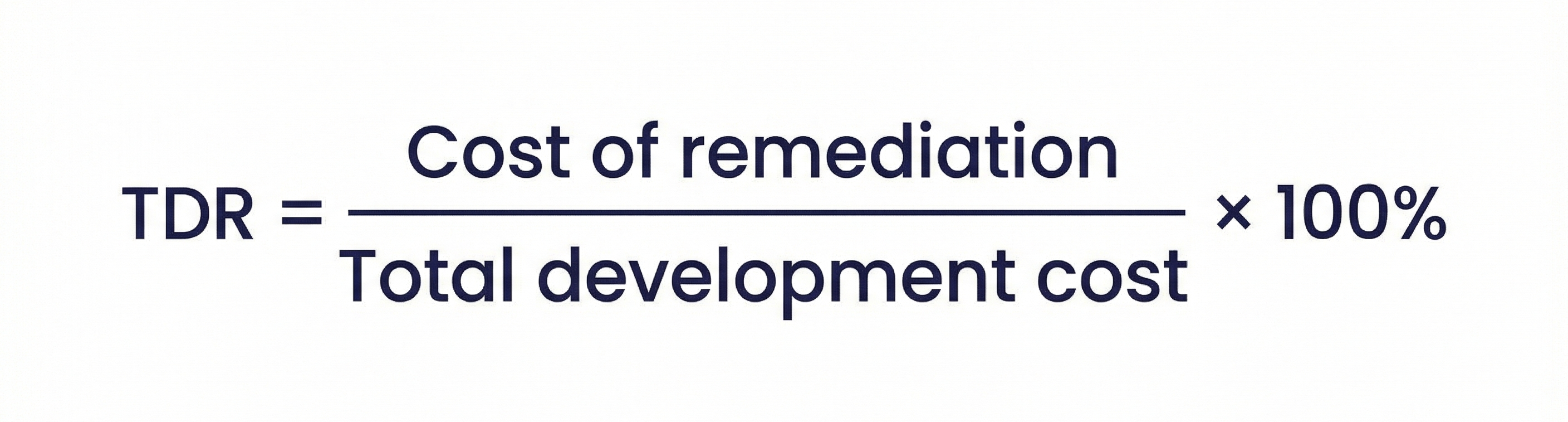
When a legacy system's TDR value crosses the critical 5-10% threshold, the company enters a spiral: a large portion of the development budget is no longer spent on serving customers or introducing new products but on operating the old system. Industry estimates suggest that technical debt can consume 70-80% of the budget purely for maintaining existing infrastructure. Here's where the question must be asked: is the company truly buying stability, or financing an increasingly expensive solution?
"Technical debt is not merely an IT problem but a constraint on the company's freedom of movement."
The strongest argument for legacy systems is predictability. "We know how it works, we're used to its flaws." However, this attitude is problematic. According to IBM's Cost of a Data Breach Report (2024), incident response in modern, cloud-based environments is 51% faster than in legacy environments.
With old systems, security updates are complex, manual processes. With modern solutions, they're automatic background processes. An old system left without support represents the real risk, whose vulnerabilities are well-known to attackers. A critical example is the SAP NetWeaver RECON vulnerability (CVE-2020-6287), which received the highest severity score of 10.0—such gaps leave corporate data assets defenseless without patches.
There's a cost that never appears in software license agreements: employee turnover and burnout. Today's workers want to work in an environment where their tools help rather than hinder them.
The cumbersome interfaces of legacy systems and manual data entry waste hours daily. The strength of modern solutions lies precisely in specialization: they don't try to be "everything to everyone," but they provide a professional and intuitive experience in their own domain. Choosing a modern platform sends a message to the organization: we value your time and support your efficiency. Such systems not only make processes smoother but also improve the employee experience.
The proximity of 2027 support deadlines (particularly the end of mainstream maintenance for major ERP systems like SAP ECC) makes the choice unavoidable. Choosing the "proven" name today is no longer the safest but the most convenient path, whose price the company pays with its flexibility and competitiveness.
Leadership responsibility lies in recognizing that security lies in the ability to change rather than clinging to the past. The transition to modern, modular systems is not just an IT project but a declaration that the company is ready for the next decade's challenges.
Sources and references:
.png)
.png)
.png)